A single millimeter can change your face. That is the reality with botox shots for wrinkles and expression lines. I have watched a tiny adjustment to the corrugator muscle erase a harsh frown, and I have also corrected over-treated foreheads that slid into a heavy brow. Technique, training, and judgment matter. If you are thinking about an injectable botox treatment, the person holding the syringe botox injections MI will shape your experience more than any brand name or discount.
This guide is built from the practical details that determine whether you walk out with soft botox results and a clear plan, or with frozen expression and a headache that could have been avoided. It covers what to check before booking a botox injection appointment, what to ask during the botox injection consultation, and the subtle signals that separate a trusted botox injector from a merely popular one.
Start with a clear outcome in mind
A provider cannot deliver what you cannot describe. “I want to look less tired” means different things depending on the face in front of me. One client cared about prominent frown lines, another about forehead lines that broke under studio lights, a third about crows feet that pinched in photos. Bring photos of yourself when rested and when stressed. Mark what bothers you. Decide whether your goal is preventative botox injections, targeted botox injections for a specific area, or maintenance botox injections to keep results steady.
Think about priorities. If you are on camera often, you may want a soft botox approach that preserves forehead movement but smooths the central lines. If you have a strong frown habit, you may want precision botox injections focused on the glabella and a measured plan for the frontalis so your brows do not drop. If you raise your brows to see better, a conservative botox treatment helps protect function. Clear goals let a provider design personalized botox injections instead of a one-size-fits-all dose.
Where training and scope of practice actually matter
Credentials are not window dressing for a botox injection practice. This is a medical procedure, even when the vibe feels spa-like. Look for a licensed botox professional who practices within legal scope in your state or country. In most regions, injections can be performed by physicians, physician assistants, nurse practitioners, or registered nurses with appropriate training and supervision. Aesthetic titles can be vague, so ask direct questions: Who injects? What is their license? How long have they been performing cosmetic botox injections? Do they have physician guided botox oversight on site?
Experience should be specific to injectables. Ten years in dermatology without regular injection volume is different from three years doing high-volume injectable facial treatment daily. A certified botox injector who routinely performs expert botox injections understands nuances like compensating for asymmetric brows, working around a hairline cowlick that changes frontalis pull, or adjusting for a strong orbicularis that etches crows feet.
I pay attention to how a clinical botox provider describes anatomy. If they talk about the frontalis as one uniform strip, I dig deeper. A trained botox specialist can explain the difference between treating the medial and lateral frontalis, why a tail-heavy brow might need support, and how a patient’s smile recruits zygomaticus and can interplay with crows feet treatment. The best injectors know when to say no, and why.
The consultation should feel like a fitting, not a sales pitch
A proper botox injection consultation involves more than pointing at a face chart. Expect a medical history that covers neuromuscular conditions, recent illnesses, allergies, prior injectable anti wrinkle therapy, dental work that may affect masseter tension, and any planned events. If you have a photo shoot in 4 days, you need a different timeline than if your botox injection appointment is three weeks before a reunion.

The provider should assess animation patterns, not just static lines. That means watching you frown, raise brows, squint, and smile. I look for dynamic lines that come from muscle pull and static lines that have settled into the skin. Botox wrinkle softening works on dynamic wrinkles and, with time and maintenance, can improve static creases, but etchings sometimes need skin support as well. You should hear a plan that distinguishes botox shots for forehead lines from botox shots for frown lines and crows feet, with dosing ranges tailored to your muscle strength and desired movement.
A strong consult also sets expectations on onset and duration. Results usually start to show in 3 to 5 days, with peak at around 10 to 14 days. Long lasting botox injections typically hold 3 to 4 months, sometimes 2 months in very active areas, sometimes up to 5 or 6 months in first timers or those with lighter dosing needs. If a provider promises six months across the board, ask how they handle early metabolizers. Custom botox injections balance dose and distribution to aim for balanced botox results rather than chasing maximum duration at the cost of heaviness.
Evidence of skill you can actually verify
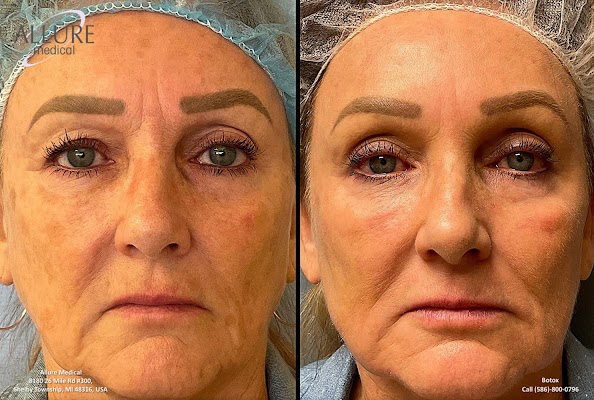
Before and after photos still matter when you know how to read them. Look for consistent lighting and angles. The best examples show expressions at similar effort, not just a neutral face. Forehead lines should look smoother without pulling the brows down. Frown lines should soften while keeping some lift at rest. Crows feet should reduce while the smile stays genuine.
Ask to see cases similar to your age, skin thickness, and muscle pattern. A provider who can show photos across a range of ages and ethnicities likely has broad experience. If the entire gallery looks over-smoothed with identical outcomes, you might be seeing a one-note injector. Natural looking botox often means preserving some expression lines at full effort while relaxing them at rest.
Pay attention to how the provider talks through complications and fixes. Every experienced botox provider has seen brow heaviness, eyelid asymmetry, or a smile that felt tight after lateral eye treatment. What matters is how they adjust technique and dosing to prevent a repeat. Strategic botox placement and careful mapping reduce these issues, but open follow-up policies make the difference when fine tuning is needed.
Dosing philosophy: light, balanced, and adjustable
The dose is not a badge of honor. I often see better results from refined botox injections at moderate units, placed with anatomical precision, than from carpet-bomb dosing. A soft botox approach can be especially helpful for first time botox treatment clients who need to learn how their face responds. Under-treating slightly and inviting a touch-up at two weeks beats the frustration of a heavy brow that must wear off.
Providers should match dose to muscle strength and your goals. A person with a very active frontalis may need more units to calm horizontal lines, but that increase should be paired with thoughtful brow support and the avoidance of low, broad bands that lead to droop. A patient who wants preventative botox injections may get micro-doses that disrupt the habit of frowning without flattening expression. This is customized wrinkle injections in practice, not a standard menu.
Cycle planning matters. Routine botox injections on a regular schedule can give smoother, more consistent results with fewer units over time. Some patients do best with 3 to 4 month intervals. Others extend to 5 months once lines stay shallow. Maintenance plans should account for seasonality, stress, and any upcoming events.
Safety and product integrity
It should go without saying, yet it cannot: the clinic must use approved products sourced through legitimate channels. Ask what products they carry and whether they use cosmetic botox injections from the manufacturer’s official distributor. A top-tier botox injection clinic is transparent about product traceability. If pricing seems too low for the area, ask how they achieve it. Discounts can come from volume purchasing, but counterfeit or diluted product still circulates in some markets. You want full-strength, properly stored medication.
Clean technique is non-negotiable. That includes new, single-use needles, proper skin prep, and safe disposal. The botox injection office setup should have medical-grade standards, not just spa decor. If you are in a botox injection center where multiple providers rotate, check how they maintain your records and treatment maps so future sessions are consistent. A clinical environment does not need to look like a hospital, but it should feel controlled, orderly, and professional.
The role of anatomy mapping and markings
I map faces. Not with elaborate art, but with dots that follow known landmarks and the person’s unique movements. The frontalis often has variable height and thickness. Some people’s muscle stops high on the forehead, others have a low central belly with stronger lateral fibers. An injector who marks and reassesses as you animate is far more likely to land strategic botox placement that avoids brow heaviness.
In the glabella, we confirm the path of the corrugators and procerus. Proper placement minimizes vascular risk and improves longevity. Around the eyes, I respect the lateral canthus and zygomatic contributions, and I often adjust vectors to prevent a smile that feels restricted. Precision botox injections create targeted results that still move with your face. If a provider freehands without looking up at your movements, or never asks you to make expressions, that is a red flag.
What pain, downtime, and aftercare really look like
Most patients describe injections as quick stings rather than deep pain. A skilled injector uses small needles and smooth technique. Bruising risk is real, especially around the eyes. If you bruise easily, avoid fish oil, high dose vitamin E, and aspirin for several days before, unless your physician prescribes them and they should not be stopped. Post-care is simple: avoid laying flat for a few hours, skip intense workouts and saunas the day of, and do not press or massage treated areas unless instructed.
You might notice tiny bumps that settle within 30 minutes. Headaches can occur in the first day or two. Makeup is usually fine after a few hours if the skin is intact. True downtime is minimal. The change comes on gradually, which helps results look natural. Photos at the two-week mark tell the real story and help shape future dosing.
Understanding what Botox can and cannot do
Injectable wrinkle correction relaxes muscles that cause dynamic lines. It does not fill etched creases or replace volume loss. For deep static forehead lines that remain at rest, repeated botox line relaxation paired with skin treatments may be needed. For hollowness at the temples or tear troughs, a different injectable cosmetic solution is more appropriate. A good botox injection specialist will not upsell, but they will be candid about limits and the best tools for each concern.
Around the mouth, caution is key. Small doses can soften vertical lip lines or a gummy smile, but the margin for speech and eating function is narrow. Many patients do better with a combined plan that uses botox for dynamic motion and other modalities for texture. The goal is balanced botox results, not a face that looks done.
The value of follow-up and touch-up policies
I like to see first-time patients at two weeks for an in-person check. That timeframe captures peak effect, shows any asymmetry, and allows for micro-adjustments. A botox injection practice that builds in this checkpoint shows confidence and care. Ask about fees for touch-ups. Some include small adjustments, others charge per unit. Either can be fair if the policy is clear. What matters is a consistent plan for getting you to natural looking botox that matches your goal, not a shrug if one brow sits higher.
Good records drive good results. Your chart should note units by point, not just totals, and anatomic maps should be saved. That lets the injector fine tune from session to session. People change. Stress at work might make you frown more. A new workout routine might shift how you use your shoulders and brows. Customized care means adapting, not repeating a template forever.
Cost, transparency, and what “value” really means
Pricing varies by region and by injector experience. Some charge by unit, others by area. Per-unit pricing is transparent but can tempt under-dosing; per-area pricing can smooth the decision but hides unit counts. Either works if the provider explains what you are getting and why. If you ask how many units they plan for your forehead and glabella, they should provide a range and the rationale.
Beware of clinics that only sell large packages for injectable aesthetic treatment on the first visit. You do not know how your face responds yet. It is better to start with a modest plan, then build a routine botox injections schedule once you see how you metabolize and how your expression settles. True value comes from professional botox treatment that respects your anatomy, your goals, and your calendar.
Red flags that deserve your attention
A few patterns make me pause. If the consult is five minutes with no animation assessment, you do not have a personalized plan. If the provider dismisses your concern about heaviness or says “we always do X units here,” you may be looking at a one-size approach. If before and afters show frozen expressions across the board, and you want subtle botox results, the match is off.
I also worry when a botox injection center advertises deep discounts constantly. That often signals inconsistent product sourcing or turnover of staff. A stable team with documented training, clear protocols, and a physician available for review is more reliable. Finally, listen to how the provider answers tough questions about complications, eyelid ptosis, or undesired spread. Confidence sounds like process and prevention, not bravado.

Setting up your first appointment: a smart sequence
Here is a compact sequence I give to first-time patients when choosing a provider and planning care.
- Collect three to five providers with clear credentials and robust before-and-after galleries. Book consultations, not injections, to compare. Bring specific goals, photos, and a short medical history. Ask for a dosing range, mapping approach, and follow-up plan. Choose the injector whose plan explains trade-offs you can live with. Schedule the first session at least two weeks before an important event. Start conservative, then return at two weeks for assessment. Approve adjustments that refine symmetry and movement. Save your treatment map and note how long results last. Use that data to plan maintenance botox injections on a realistic schedule.
Special considerations by area
Forehead lines. The frontalis lifts the brows. Too much relaxation removes horizontal lines but can drop the brow, especially in people who already rely on frontalis to keep their lids open. A measured dose, placed higher and in a pattern that preserves lateral support, helps maintain a youthful appearance without heaviness. Botulinum effects vary by fiber thickness, so expect small adjustments across sessions to get it right.
Frown lines. The glabellar complex pulls the brows together and down. Treating the corrugators and procerus softens the “11s” and can give a subtle lift to the inner brow. Under-treating here is a common reason people feel their forehead still creases, since they keep recruiting the frown habit. For strong frowners, a few extra units here can actually allow lighter doses in the forehead to maintain balance.
Crows feet. The orbicularis oculi is a circular muscle, and lateral treatments reduce the fan of lines. Less is more to keep a real smile. Placement should respect cheek elevators so you do not end up with a “shelf” effect. People with thinner skin see improvement quickly, while sun damage may leave faint creases even at rest until collagen improves with broader care.
Brow shape. A subtle brow lift comes from sparing the lateral frontalis and calming the pull of the brow depressors. Too aggressive laterally flattens the brow tail. This is where strategic botox placement is most visible in photos and where an aesthetic botox expert earns their title.
Neck and jaw. Botox can refine platysmal bands and help with masseter hypertrophy. This moves beyond basic wrinkle care and needs a provider with specific experience. The margin for function is thinner. If a clinic lists these services, ask for case examples and post-care instructions, since chewing fatigue or voice change can occur with poor technique.
How to align treatment with lifestyle
Athletes and those with fast metabolisms often find results wear off sooner. People in front of cameras may need a softer set of expressions that reads well under bright light. Teachers and public speakers who use their brows for emphasis may prefer micro-dosing that dampens lines without muting expression. I adjust plans for people who wear strong prescription lenses or have allergies that lead to frequent squinting, since those patterns drive where botox line prevention works best.
Travel schedules matter. It is wise to avoid long flights the same day as injections and to have follow-up access two weeks later. If you live far from your injector, arrange video check-ins. Good communication can fix small issues before they become habits.
How clinics structure care when they do it right
A well-run botox injection clinic operates with quiet consistency. Intake is streamlined. The exam room holds sterile supplies laid out in sequence. The injector confirms consent in plain language. Units are tracked per injection point, not just totals. You receive aftercare instructions that explain both common sensations and warning signs that warrant a call. The clinic offers a two-week check with room for minute tweaks. Your map is saved. When you return, the provider reviews last cycle notes, asks about changes in your routine, and makes adjustments openly, not by rote.
The tone is attentive without being performative. You are not rushed, and you are not kept waiting without updates. Prices are posted. Questions are welcomed. If you say, “I still want to move here,” the injector marks that goal into the plan. If you say, “I felt heavy here last time,” the injector shows you where and how they will change the map. That is what professional botox treatment looks like when trust and technique line up.
A brief word on brands and alternatives
Botulinum toxin type A comes in several brands with different unit equivalences and diffusion profiles. A skilled injector can get refined results with any of the major products when dosing is adjusted correctly. If you have a brand preference based on past success, say so. If you are new, focus less on the label and more on the injector’s plan. For deeper etched lines or skin texture, your provider may suggest complementary treatments. This is not an upsell when framed as options with trade-offs. Injectable anti wrinkle therapy pairs well with sun protection, retinoids as tolerated, and lifestyle choices that reduce repetitive strain on the same muscles.
Your decision, simplified
Finding the right botox injection provider is not about chasing the lowest price or the glossiest Instagram. It is about matching your goals with a licensed botox professional who can explain choices, show consistent work, and stand by their results with thoughtful follow-up. The face is not a template. It is anatomy, habit, and your history of expression. The right hands make that blend look rested and real.
If you leave a botox injection office feeling informed, with a map that reflects your features, and a plan for the next two weeks, you are in good territory. If you leave with generic advice, vague dosing, and no follow-up, keep looking. Faces do not lie. Neither do the small decisions that shape them.
And when the details are right, botox facial smoothing does not erase who you are. It takes the static away from the signal so your expression reads clearly, in person and in photos. That clarity is the quiet benchmark of expert botox injections, and it is what you should demand from any botox injection provider you choose.